The SpaceX Falcon Lunar Crash Is a Warning for Moon Bases
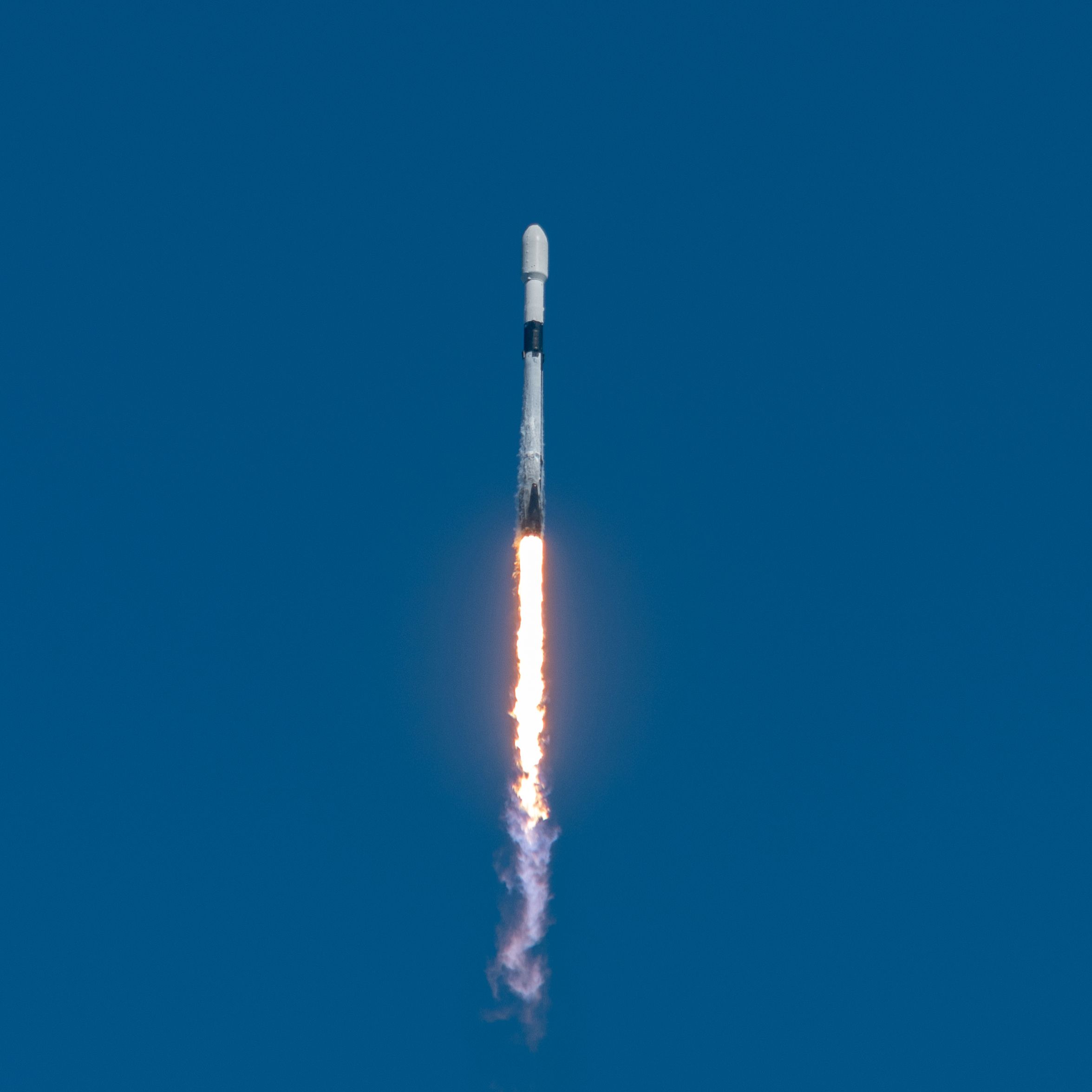
On April 20, 2021, the SpaceX Falcon 9 rocket crash-landed on the moon’s surface, sending shockwaves through the scientific community. The failure of this mission served as a stark reminder of the challenges and risks associated with establishing bases on the moon.
SpaceX’s ambitious plans to establish a permanent settlement on the moon have suffered a setback with this crash. The company had hoped to leverage its experience in launching successful missions to Mars to pave the way for human colonization of the moon.
The crash of the Falcon 9 rocket highlights the technical difficulties and complexities involved in operating in the harsh lunar environment. From communication and navigation issues to landing and habitat construction challenges, the moon poses numerous obstacles that must be overcome.
Furthermore, the crash serves as a cautionary tale for other space agencies and private companies looking to establish bases on the moon. It underscores the importance of thorough risk assessment, rigorous testing, and redundancy planning in any lunar mission.
Despite this setback, the SpaceX team remains determined to learn from the crash and continue its mission to colonize the moon. The incident has spurred renewed efforts to improve technology and safety measures for future lunar missions.
Ultimately, the SpaceX Falcon lunar crash serves as a sobering reminder of the risks and uncertainties involved in venturing beyond Earth’s orbit. It underscores the need for careful planning, collaboration, and innovation in our quest to explore and inhabit other celestial bodies.
As we look to the future of space exploration, the lessons learned from this incident will undoubtedly shape the way we approach the challenges of establishing bases on the moon and beyond. Only through careful consideration and preparation can we hope to realize our dreams of becoming an interplanetary species.