Social Media Is Getting Smaller—and More Treacherous
As social media platforms continue to evolve and expand, they are also becoming more fragmented and specialized. Users are no longer confined to just a few major platforms like Facebook and Twitter; instead, they can choose from a myriad of smaller, niche platforms that cater to specific interests and communities.
While this may seem like a positive development, it also has its drawbacks. With so many different platforms to choose from, users are increasingly finding themselves in echo chambers where their views are reinforced rather than challenged. This can lead to polarization and radicalization, as people become more entrenched in their beliefs and less willing to engage with alternative perspectives.
Furthermore, the rise of smaller social media platforms has made it easier for malicious actors to spread misinformation and propaganda. These platforms often have less stringent content moderation policies, making them fertile ground for the spread of fake news and conspiracy theories.
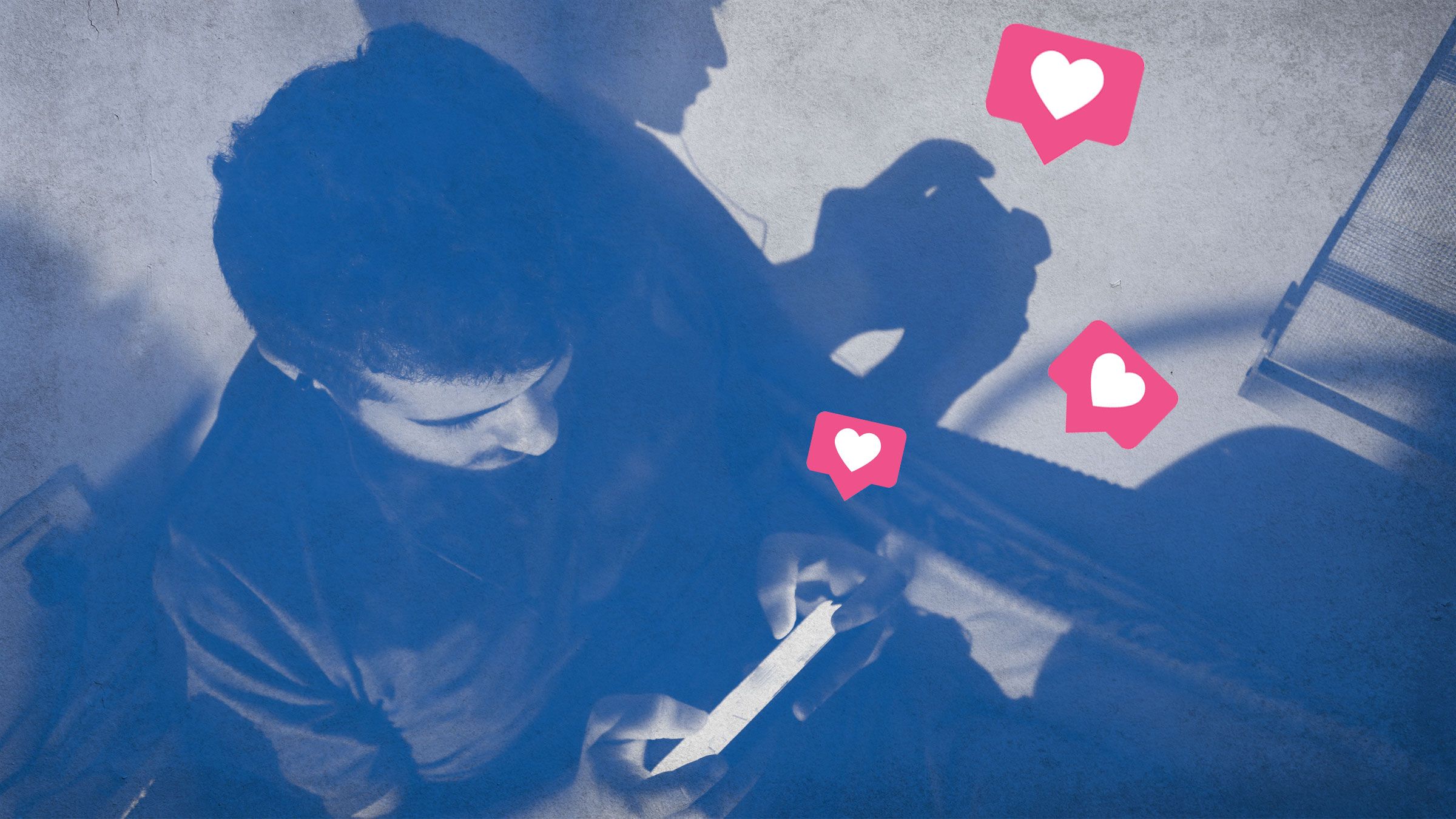
In addition to these challenges, the sheer volume of content on social media can be overwhelming and exhausting. Users are bombarded with a constant stream of information, making it difficult to discern fact from fiction and preventing thoughtful discourse from taking place.
Despite these obstacles, social media continues to play a central role in our society, shaping public opinion and influencing political outcomes. As users navigate this increasingly treacherous landscape, it is more important than ever to approach social media with caution and critical thinking.
By being mindful of the dangers and pitfalls of social media, we can work towards creating a more informed and responsible online ecosystem.