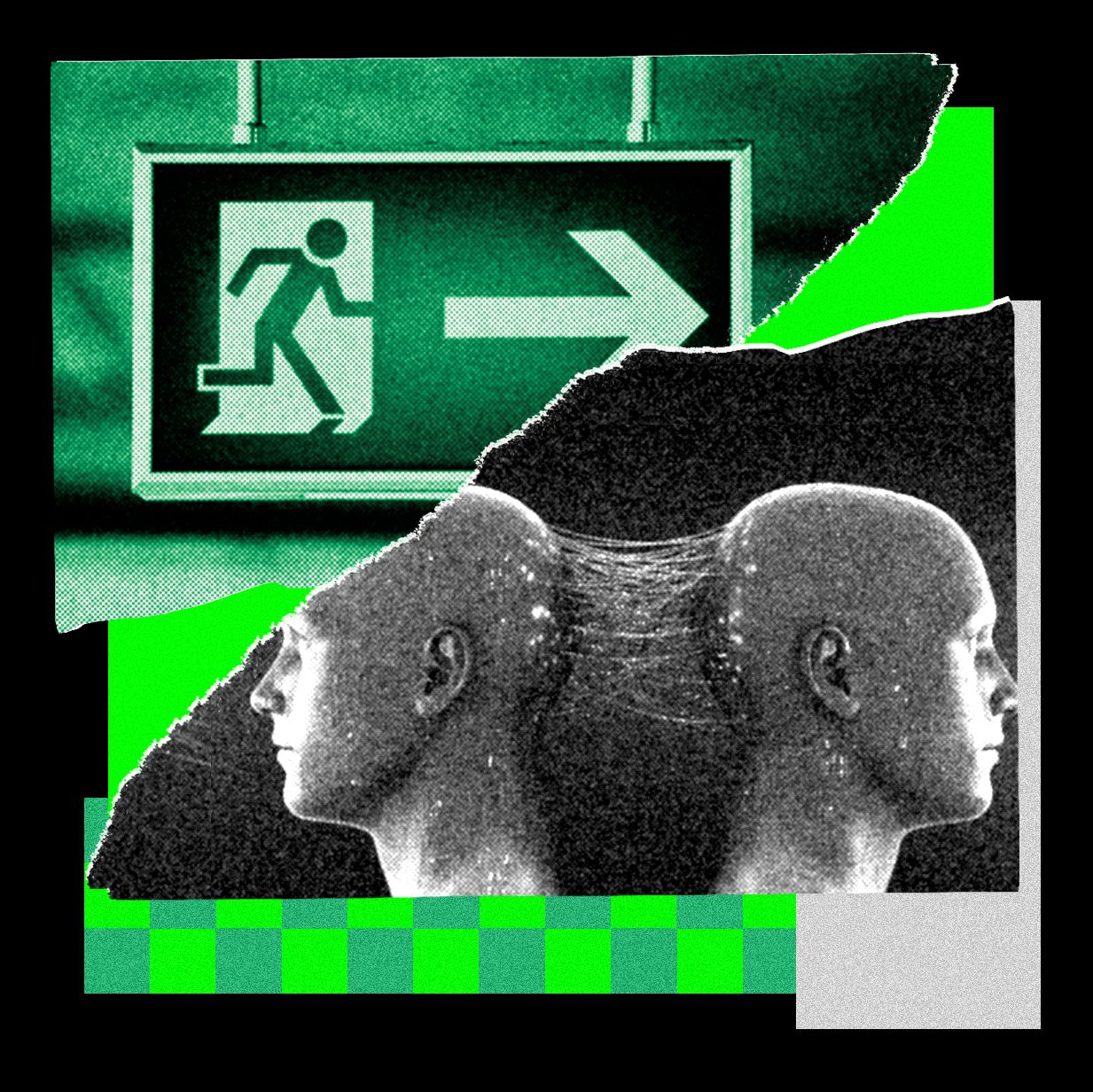
AI Hacks Are Bad. AI Worms and Viruses Will Be Worse
Artificial intelligence (AI) hacks have already proven to be a serious threat to our digital security. Hackers can use AI algorithms to breach systems, steal data, and cause havoc without detection. However, the real danger lies in the potential for AI worms and viruses that could spread rapidly and autonomously, causing widespread damage.
AI worms and viruses would be much more sophisticated and dangerous than traditional malware. They could adapt and evolve, making them difficult to stop or contain. These malicious AI programs could infiltrate networks, disrupt critical infrastructure, and even manipulate AI systems themselves.
The implications of AI worms and viruses are alarming. They could potentially target crucial systems like healthcare, transportation, or finance, leading to chaos and loss of life. The rapid spread and mutation of AI malware would make it challenging for cybersecurity experts to develop effective countermeasures.
Preventing the emergence of AI worms and viruses requires a proactive approach to cybersecurity. Companies and governments must invest in robust defenses, such as AI-powered threat detection systems and secure programming practices. Additionally, cooperation and information-sharing among cybersecurity professionals are crucial to stay ahead of the evolving threat landscape.
Public awareness and education about the risks of AI hacks and malware are essential. Individuals should practice good digital hygiene, such as using strong passwords, keeping software up to date, and being cautious of suspicious emails or links. Vigilance and caution are critical in the fight against AI-driven cyber threats.
In conclusion, AI hacks are bad, but the potential for AI worms and viruses is even worse. The digital landscape is constantly evolving, and we must be prepared to face the challenges posed by malicious AI programs. By staying informed, vigilant, and proactive, we can protect ourselves and our systems from the looming threat of AI-driven cyber attacks.