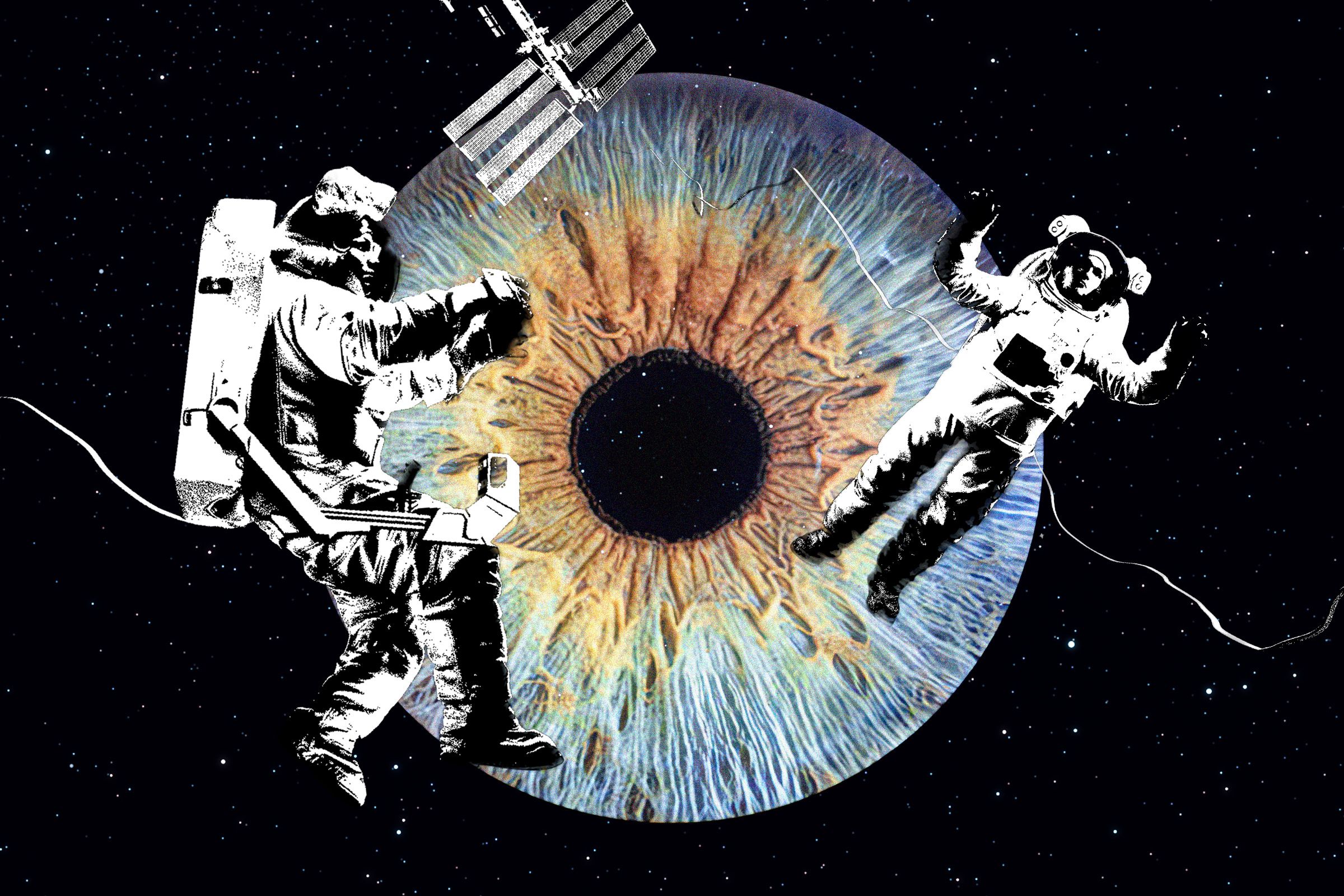
Space Agencies Are Trying to Keep Astronauts From Losing Their Sight
Space agencies such as NASA and ESA have been conducting research and studies to understand the effects of prolonged space travel on astronauts’ vision.
One of the major concerns for astronauts in space is the increased pressure in the head and eyes due to the lack of gravity, which can cause vision problems.
Studies have shown that astronauts can experience changes in their vision, including blurry vision, increased pressure in the eyes, and even optic nerve swelling during space missions.
To combat these issues, space agencies are working on developing new technologies and protocols to help astronauts maintain their eye health while in space.
Some solutions being explored include specialized exercises, protective eyewear, and even medications to mitigate the effects of microgravity on the eyes.
It is crucial for space agencies to address these challenges as they plan for longer missions to Mars and beyond, where astronauts will be exposed to even greater risks to their vision health.
By understanding and mitigating the effects of space travel on astronauts’ vision, space agencies can ensure the well-being and safety of their crews during long-duration missions.
Research in this field is ongoing, with scientists and engineers working tirelessly to find innovative solutions to protect astronauts’ eyesight during space travel.
Ultimately, the goal is to enable astronauts to explore and live in space without compromising their vision and overall health.
As technology and research continue to advance, space agencies remain committed to keeping astronauts safe and healthy as they push the boundaries of human space exploration.