Why Each Octopus Arm Has a Mind of Its Own
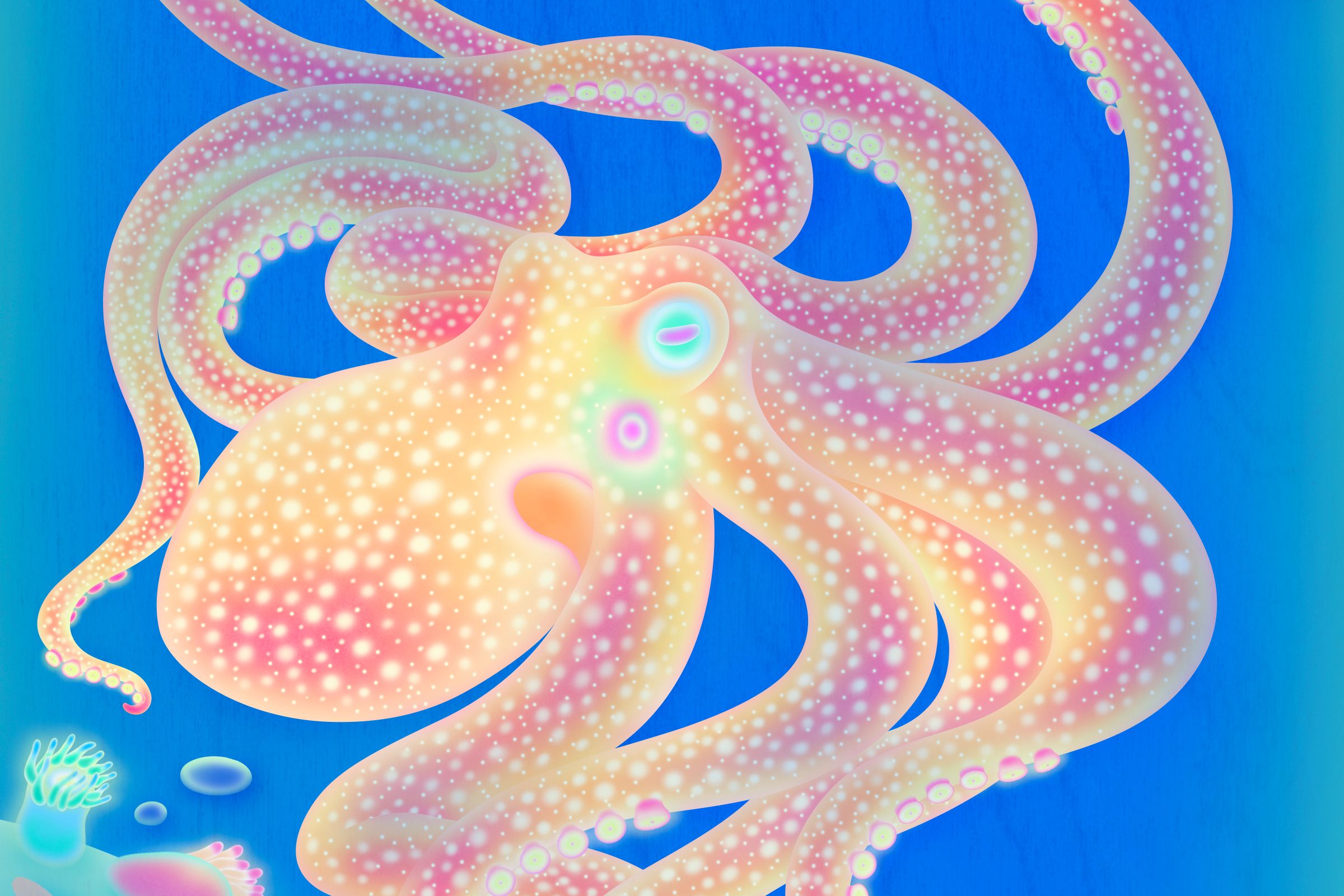
Octopuses are fascinating creatures with eight flexible arms that have a mind of their own. Unlike humans, each octopus arm can function independently and perform different tasks simultaneously.
Each arm is controlled by a network of neurons located in both the arm itself and the octopus’s central brain. This unique decentralized nervous system allows the arms to operate autonomously, making the octopus incredibly versatile and efficient in its movements.
Having a mind of its own, each arm can respond to stimuli and make decisions without direct input from the central brain. This decentralized control enables the octopus to navigate complex environments, capture prey, and manipulate objects with precision.
Furthermore, each arm has specialized suckers and sensory cells that can detect chemical, tactile, and visual cues, allowing the octopus to explore and interact with its surroundings in a highly sophisticated manner.
The ability of each arm to act independently also serves as a natural defense mechanism for the octopus. If one arm is injured or attacked, the rest of the arms can continue to function effectively, allowing the octopus to escape or defend itself against predators.
Overall, the decentralized nervous system of the octopus and the autonomy of each arm contribute to the remarkable adaptability and intelligence of these incredible creatures. By studying the octopus, scientists hope to gain insights into decentralized control systems and develop innovative technologies inspired by nature.
In conclusion, the fact that each octopus arm has a mind of its own is a marvel of evolution and a testament to the ingenuity of nature. These unique creatures continue to intrigue and inspire researchers and biologists around the world.